
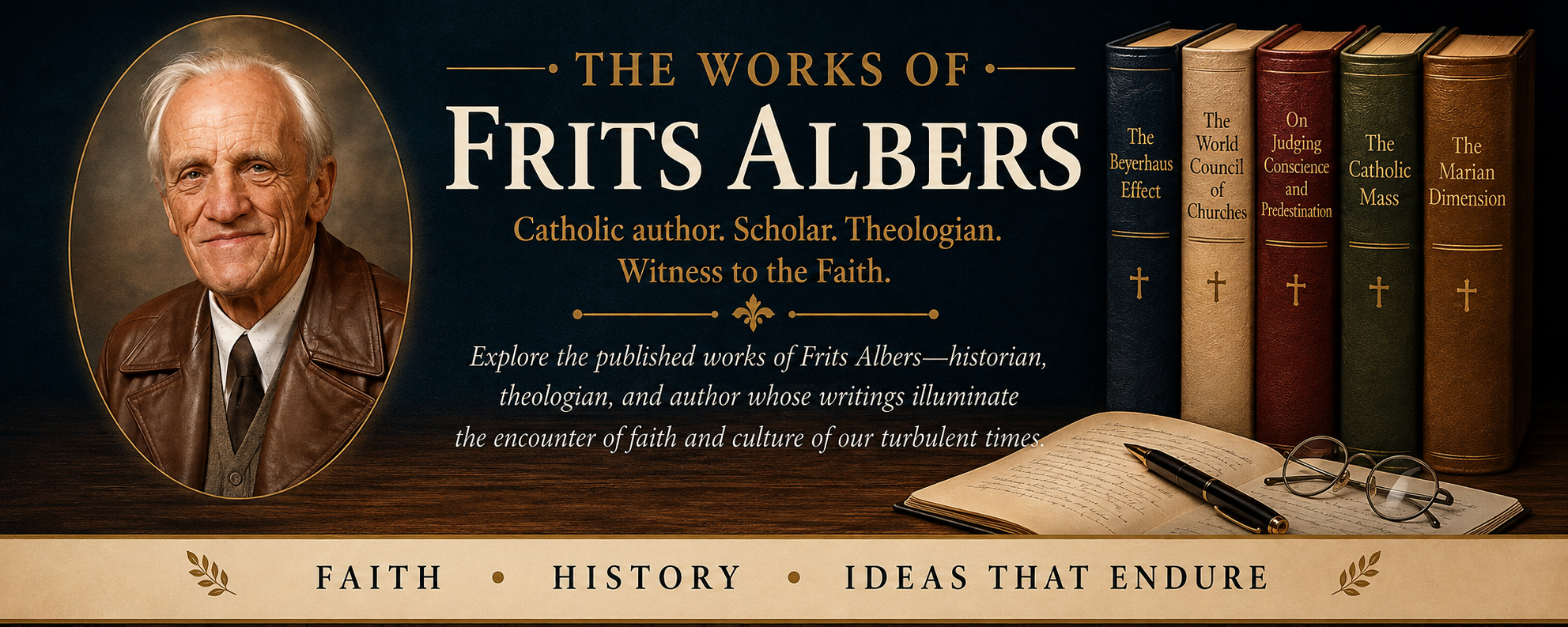
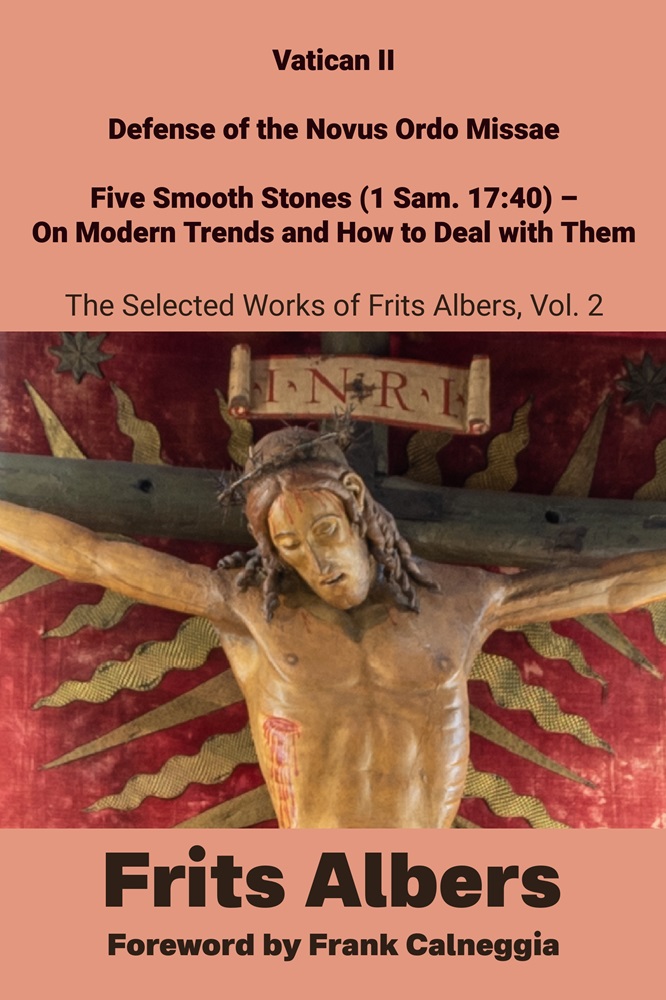
This collection of the works of Frits Albers contains nine stand-alone books and four volumes of selected works. The four volumes of selected works contain, between them, twelve books that were each first published as stand-alone books. Consequently, the total number of books contained in the list below is actually twenty-one.
It can be seen from his biography that the life of Frits Albers (1921 – 2000), a sincere Dutch-born Catholic, emigrating to Australia after the Second World War, placed him, quasi-providentially, one might say, in an almost perfect position to judge the changes and turmoil that had come upon his Church in the first early years after the Second Vatican Council.
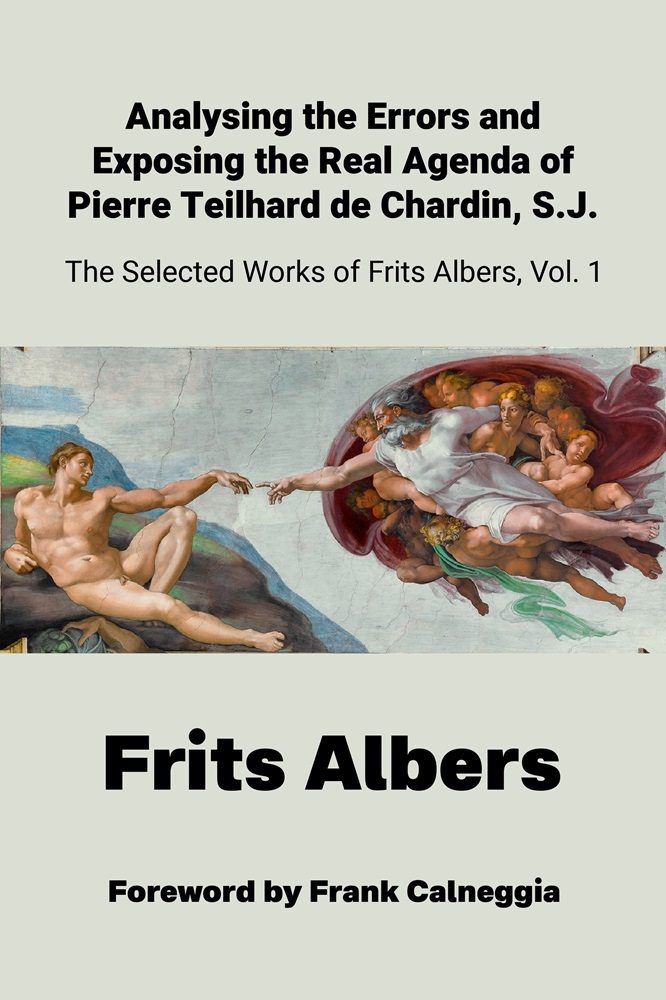
As a young man in the 1940s, he was educated by Jesuits who were, in a real way, the instigators of the ‘new Catholicism’ of Teilhard de Chardin SJ and disseminated it widely (think of the notorious “Dutch Catechism”). Right from the start, the perceived need for “updating” the Church’s relation with the World was being used (abused) to make the Church conform to the World’s fashions of thought and practice (call them secularist or modernist as you please).
The clear mind of the now mature Frits got on to what was happening immediately, and in the following 30 years to the date of his death he wrote a collection of works aimed at showing up the work of deceit of the multitude of propagators of the new “Spirit” claimed to be found in the Council. Just how powerful his critiques are, one will find on reading them. One cannot fail to notice how telling his insights were at the time and, most importantly, how even more relevant they are to our own times.
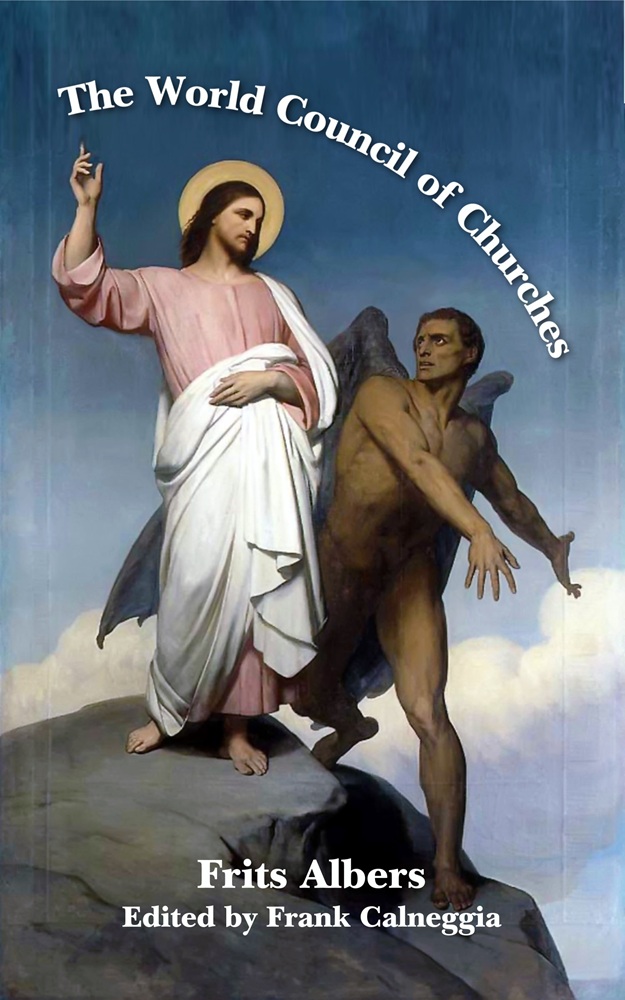
Frits Albers focused on the areas of Catholic teaching and pastoral practice that mainly came under attack, ranging from the most exalted levels of the Eucharist and the Mother of God to more general dilution of principal doctrines and traditional disciplines. If anything, the attacks have intensified since his time, which is a reason it is more urgent to have his books today. Indeed, he focused particularly on the push for a false ecumenism to be found in the imprudent association of the Catholic hierarchy with the organisation called the World Council of Churches (WCC).
Any one of his books may be read with profit and not surprisingly with a feeling of relief and joy. We recommend, however, starting with the three connected books entitled “The Beyerhaus Effect”, “The World Council of Churches” and “On Judging, Conscience and Predestination”, since they provide a good background.
Frits Albers’ books are written in the clear light of a strong and vibrant Catholic Faith and are thoroughly grounded in the philosophy of St. Thomas Aquinas, especially in practical moral principles. From a philosophical perspective, they closely align with Don Boland’s books on the philosophy of St. Thomas Aquinas.
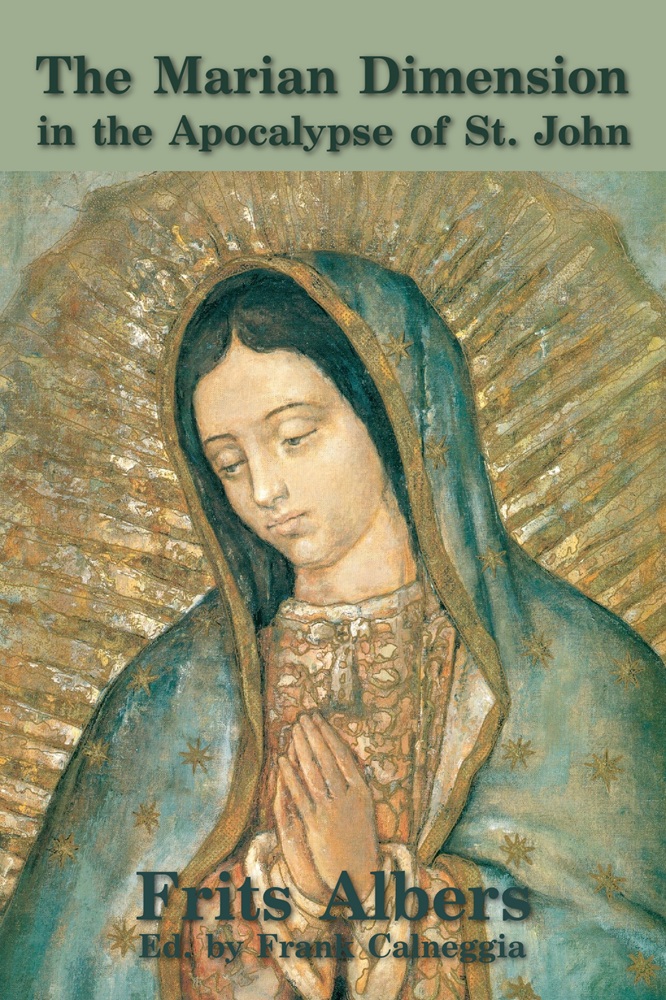
In perusing the list below, one will see a wide variety of subjects covered: a hope-filled legacy of Faith and reason; a gift of light, clarity, and devotion to the Church in this age of rampant confusion and error. As the high point of the author’s work, the book on the Catholic Mass and the two on Our Lady (“The Marian Dimension in the Apocalypse of St. John”, and Vol 4 of the Selected Works) are of special note. They would greatly help Catholics increase their faith and understanding, and their love for our Most Holy Redeemer, His Immaculate Mother, and our Holy Mother the Catholic Church.
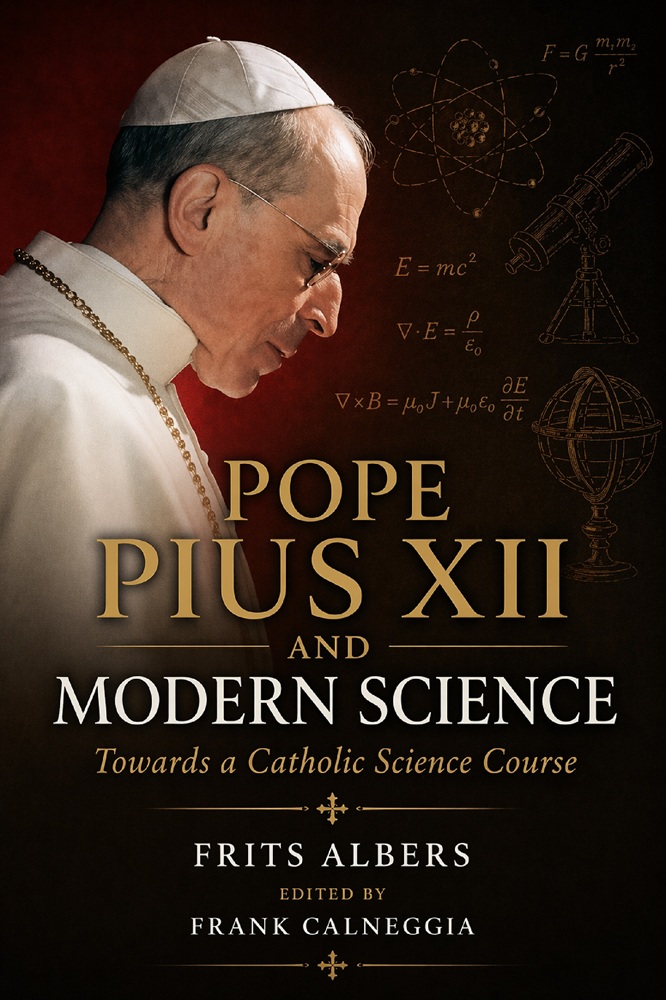
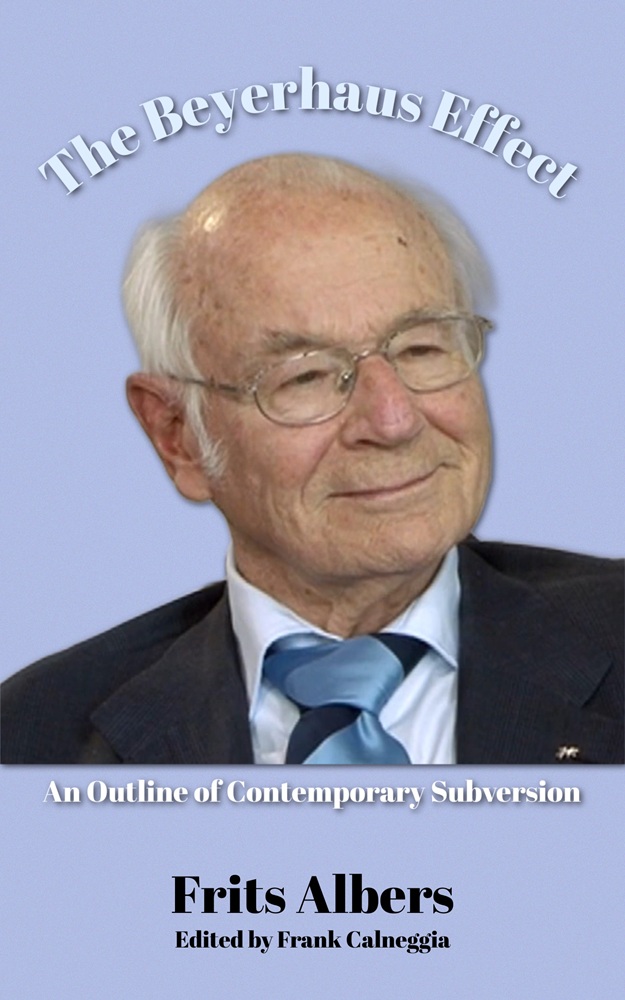
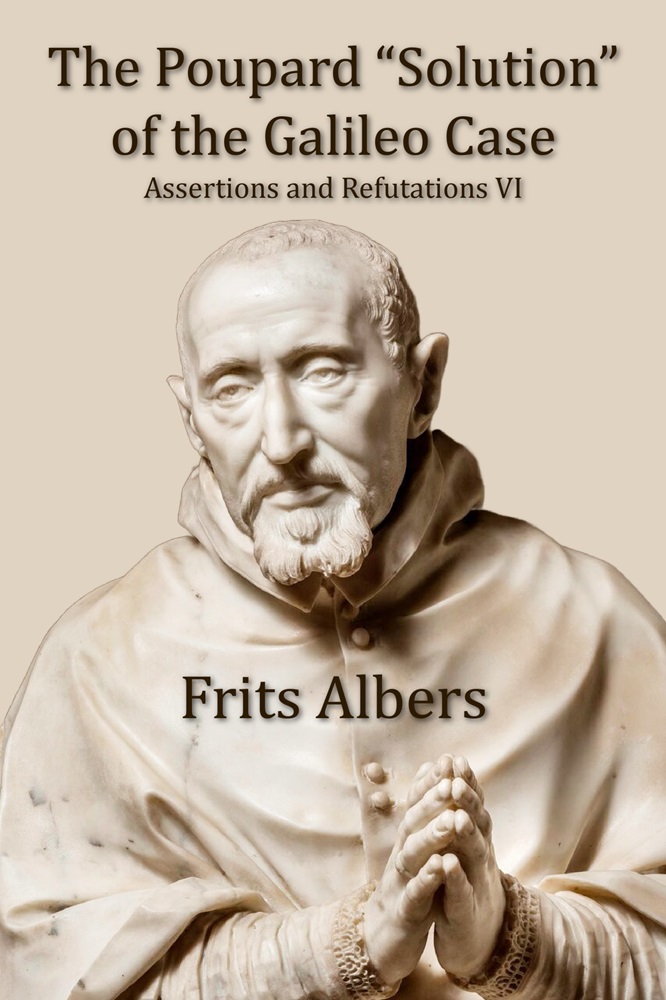
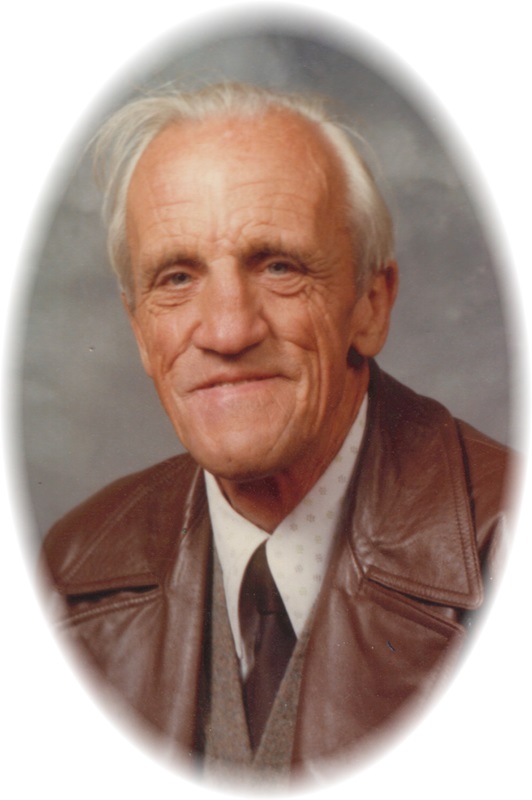 Frits Albers Ph. B (1921-2000) was born in Holland and studied under the Jesuits at Nijmegen during the 1940s. He emigrated to Australia in 1951, and travelled extensively within the south-east region of the ‘lucky country’. He joined the Department of Education in Victoria and worked as a high school teacher who specialised in mathematics, French and English.
In the early post Vatican II period he realised that the strange interpretations of the recently concluded Council that were being forced upon Catholics were under pinned by the same philosophy he had been taught in the 1940’s by the Jesuits at Nijmegen in the name of St Thomas Aquinas, but which in reality was the systematic Modernism of Pierre Teilhard De Chardin, S.J. Thus, in the early 1970’s he began writing articles and books to expose the philosophical root of these errors and aberrations of Teilhard De Chardin, and to defend Catholic Faith, clear thinking, and right philosophy.